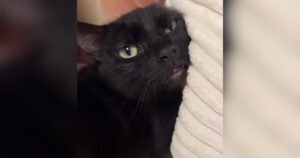
A shelter recently took back an affectionate cat after his family returned him for being too loving. The family complained that the cat's constant desire for attention and physical contact became overwhelming in their household.
The cat, described as extremely social and bonded, displayed classic signs of high attachment. He followed family members from room to room, sought lap time throughout the day, and vocalized frequently to maintain contact. While these behaviors reflect a healthy, emotionally connected cat, the family found the intensity incompatible with their lifestyle.
This situation highlights a common mismatch between cat personalities and household expectations. Some cats are naturally more independent and aloof, while others thrive on constant interaction and physical affection. Adopters sometimes underestimate how demanding an affectionate cat can be, particularly if they work long hours or prefer low-maintenance pets.
The shelter staff recognizes this lovebug cat needs a home that matches his emotional needs. Potential adopters suited for highly social cats typically work from home, have flexible schedules, or live in multi-person households where the cat receives regular attention throughout the day. These cats thrive with interactive play, lap time, and consistent companionship.
For families considering adoption, honest conversations with shelter workers prove invaluable. Discussing your daily schedule, work arrangements, and comfort level with cat affection helps ensure proper matches. A cat's attachment style directly impacts household harmony. An independent cat suits busy families, while lovebug cats flourish with people who genuinely enjoy constant feline companionship.
This cat's return isn't a behavior problem. It reflects who he is. The right family will celebrate his loving nature rather than view it as a burden.
THE TAKEAWAY: Choose a cat whose personality matches your lifestyle and availability, not against it.