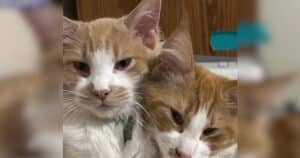
A Portland woman was reunited with her two missing cats after they traveled over 600 miles to Los Angeles. The cats disappeared during a move and resurfaced at an animal shelter in Southern California weeks later.
The shelter staff identified the cats using microchip technology, which allowed them to contact the owner and arrange the reunion. Microchipping proved essential in this case, enabling the shelter to trace the cats back to their Portland home despite the enormous distance.
The owner's emotional response underscores how devastating pet loss can be for families. The cats had gone missing during relocation stress, a common time when pets escape or become separated from their owners. Many animals end up in shelters across the country after such incidents, making identification methods like microchips lifesaving tools.
Veterinarians and animal welfare organizations consistently recommend microchipping cats before any moves or travel. Unlike collars and tags, which can fall off or be lost, microchips remain permanently implanted under the pet's skin. When shelters scan incoming animals, they can quickly identify lost pets and reunite them with their families.
This reunion highlights the importance of preventive measures. Pet owners should ensure their cats are microchipped, keep registration information current with the microchip company, and update their address whenever they move. Collars with ID tags provide additional backup identification.
The case also demonstrates how dedicated shelter staff members work to reunite lost animals with their owners. Scanning every incoming animal for a microchip is standard practice at reputable shelters and rescue organizations.
For Portland-area pet owners, this story serves as a reminder that even when the odds seem impossible, lost pets can come home. Taking simple precautions now prevents heartbreak later.
THE BOTTOM LINE: Microchipping your cat is one of the most effective ways to ensure reunification if your pet goes missing, even across state lines.