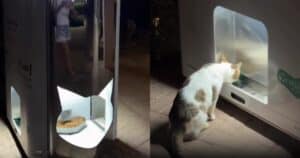
Dubai has deployed automated feeding stations across the city to care for stray and community cats. The smart feeders combine technology with animal welfare, offering a practical solution to feeding programs that typically rely on volunteers and donations.
The stations operate on timed dispensers that release measured portions of cat food at set intervals. Pet owners and volunteers can monitor usage through mobile apps, which track how many cats visit and consume food each day. The system reduces food waste and ensures consistent nutrition for vulnerable cats throughout the city.
Local animal welfare organizations partnered with Dubai's municipal authorities to install the stations in high-traffic areas where stray cat populations congregate. The feeders include water dispensers alongside food compartments, addressing both hunger and hydration needs.
The technology appeals to pet owners who want to help street cats without managing manual feeding schedules. App notifications alert volunteers when stations run low on supplies, streamlining the resupply process. Some stations include cameras that capture images of visiting cats, helping rescuers identify sick or injured animals needing veterinary attention.
Dubai's approach reflects a broader shift toward technology-enabled animal care. Other cities have adopted similar systems for stray dogs and cats, viewing automated feeders as more humane than relying solely on occasional charitable feeding.
Animal welfare advocates note the stations work best alongside trap-neuter-return (TNR) programs and adoption initiatives. Feeding alone doesn't address overpopulation, but paired with spaying, neutering, and medical care, the stations provide comprehensive support for community cat populations.
The initiative also raises awareness about stray cat welfare among Dubai residents. Visible feeders spark conversations about community responsibility for animals sharing urban spaces.
THE TAKEAWAY: Smart feeders give Dubai residents a reliable way to support stray cats while providing welfare organizations with data to improve rescue and care efforts.