# Investigation Finds Injured Dogs Used to Scam Social Media Donors
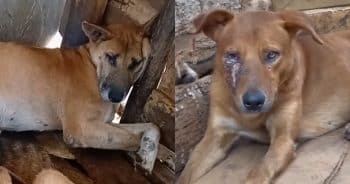
An investigation has exposed a troubling scheme targeting compassionate dog lovers on social media. Scammers have deliberately injured dogs and posted their images online to solicit donations from well-meaning donors, then pocketed the money without providing veterinary care.
The scheme operates across social media platforms where emotional animal rescue content generates significant engagement and donations. Fraudsters photograph injured or malnourished dogs, craft heartfelt stories about rescues, and ask followers to contribute funds for medical treatment. Once donations arrive, the perpetrators disappear without delivering any actual care to the animals.
Donors face nearly impossible odds identifying legitimate rescue operations from fake ones. Real animal welfare organizations maintain transparent financial records, verifiable contact information, and documented rescue operations. Scammers exploit the emotional power of suffering animals, knowing most people want to help without conducting detailed background checks.
The investigation revealed this fraud operates internationally, with networks in countries including Uganda actively participating. Social media platforms become the primary distribution channel because they offer anonymity, rapid account creation, and minimal verification requirements.
Pet owners and animal lovers should take specific precautions before donating. Research organizations through charity watchdog sites like Charity Navigator and GiveWell. Verify social media accounts have consistent posting histories, professional photos, and verifiable staff information. Contact organizations directly through official websites, not through social media messages. Ask for specific details about how money gets used and request receipts for donations.
Legitimate animal rescues welcome donor scrutiny. They provide annual reports, share rescue stories with follow-up updates on animals, and maintain active engagement with their communities. If a rescue account pressure followers for immediate donations without documentation, that represents a red flag.
This investigation serves as a reminder that social media enables both genuine animal rescue work and sophisticated fraud. Responsible donors protect vulnerable dogs by verifying organizations