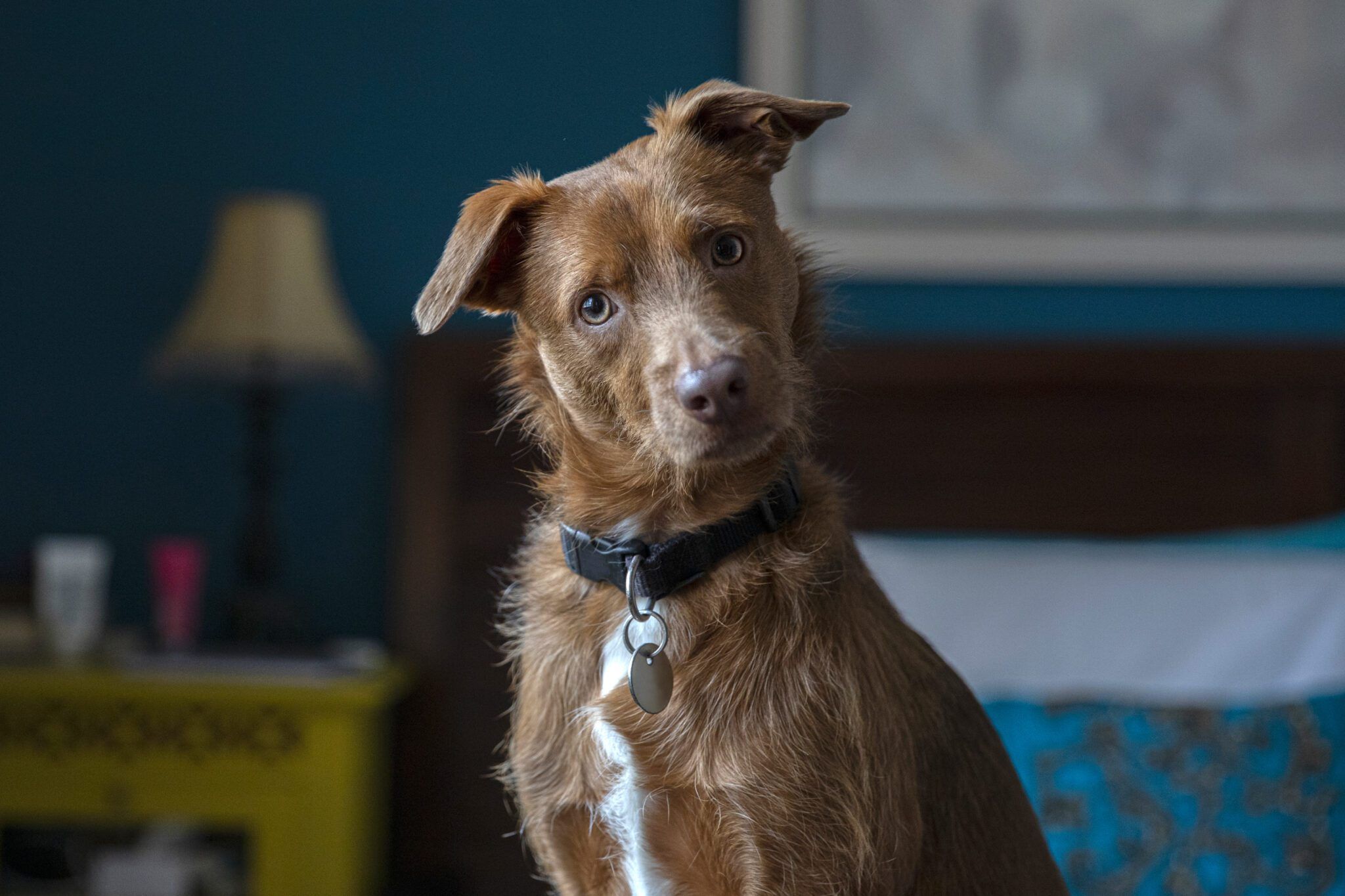
Dog owners know the challenge: that unmistakable odor that settles into homes when dogs live there. The smell combines multiple sources. Wet dog fur creates one layer. Urine accidents, fecal matter, and vomit add others. Underlying skin or coat problems can intensify the problem. Food stains trapped in carpets and furniture contribute too.
The fastest solution starts with identifying the source. Enzymatic cleaners break down organic compounds in urine and feces, not just masking the smell. Products containing protease enzymes attack the proteins that cause lasting odors. Vinegar and baking soda work for mild cases, but severe accidents need stronger intervention.
For wet dog smell specifically, frequent bathing with quality dog shampoo helps. Drying your dog thoroughly after outdoor time prevents that musty wet fur odor from settling into the house. A dog dryer or towel drying makes a real difference.
Skin and coat problems require veterinary attention. Yeast infections, bacterial overgrowth, and allergies produce odors that no cleaning tackles. A vet can diagnose conditions like seborrhea or ear infections and prescribe medicated shampoos or oral treatments. Once the underlying health issue improves, the odor disappears.
Prevention matters most long-term. Wash dog bedding weekly. Vacuum frequently, focusing on areas where your dog sleeps and spends time. HEPA filters in vacuum cleaners trap odor particles better than standard filters. Air purifiers with activated charcoal help neutralize airborne smells.
Furniture covers protect upholstery from accidents and odor absorption. Wash them regularly. For persistent smells in carpets, steam cleaning or professional carpet treatment may be necessary.
Regular grooming reduces shedding and skin buildup that contribute to odor. Brush your dog