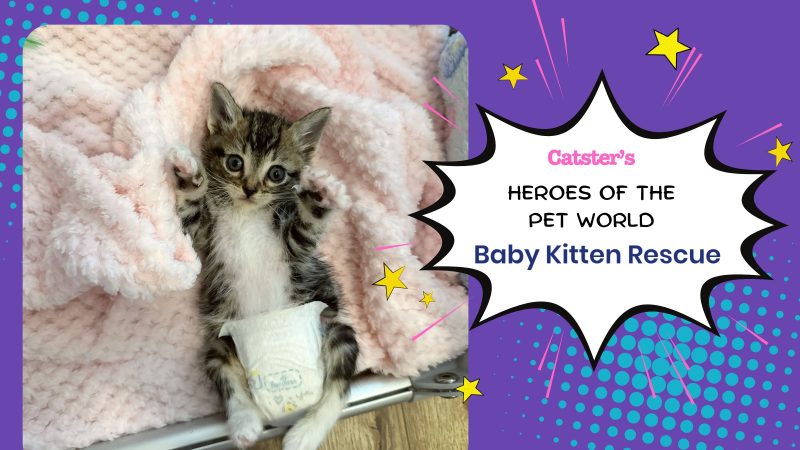
# Baby Kitten Rescue Shows New Hope for Tiniest Felines
Specialized rescue operations now focus on saving the most vulnerable kittens, those too young to survive on their own. A kitten named Frankie represents the success of modern neonatal feline care, requiring around-the-clock attention during his critical early weeks.
Newborn kittens lack the ability to regulate body temperature, digest solid food, or eliminate waste without maternal help. Rescue teams step in when mothers abandon litters or die, providing bottle feeding every two to four hours, careful temperature control, and even assistance with basic bodily functions. Frankie's case involved custom-sized diapers, reflecting how specialized equipment now addresses the tiniest patients.
The survival rate for orphaned kittens under four weeks old historically remained low. Modern protocols have changed this outcome. Rescue organizations now employ trained foster caregivers who understand kitten physiology and development. They monitor weight gain, watch for infections, and recognize when intervention prevents death.
Bottle feeding requires precise techniques. Caregivers use specially formulated kitten milk replacer, never cow's milk, which causes digestive upset. Temperature matters. Kittens need 35-37 degrees Celsius to thrive. Overheating or chilling kills them quickly.
These rescues also depend on veterinary support. Vets screen for congenital defects, infections, and parasites common in abandoned litters. Antibiotics, deworming medications, and careful nutrition all play roles in survival.
The effort extends beyond medical care. Foster families provide socialization during critical bonding windows. Kittens handled regularly between two and seven weeks develop better temperaments and adapt more readily to human contact.
Frankie's survival story reflects a broader shift in animal welfare. Dedicated rescuers, improved protocols,