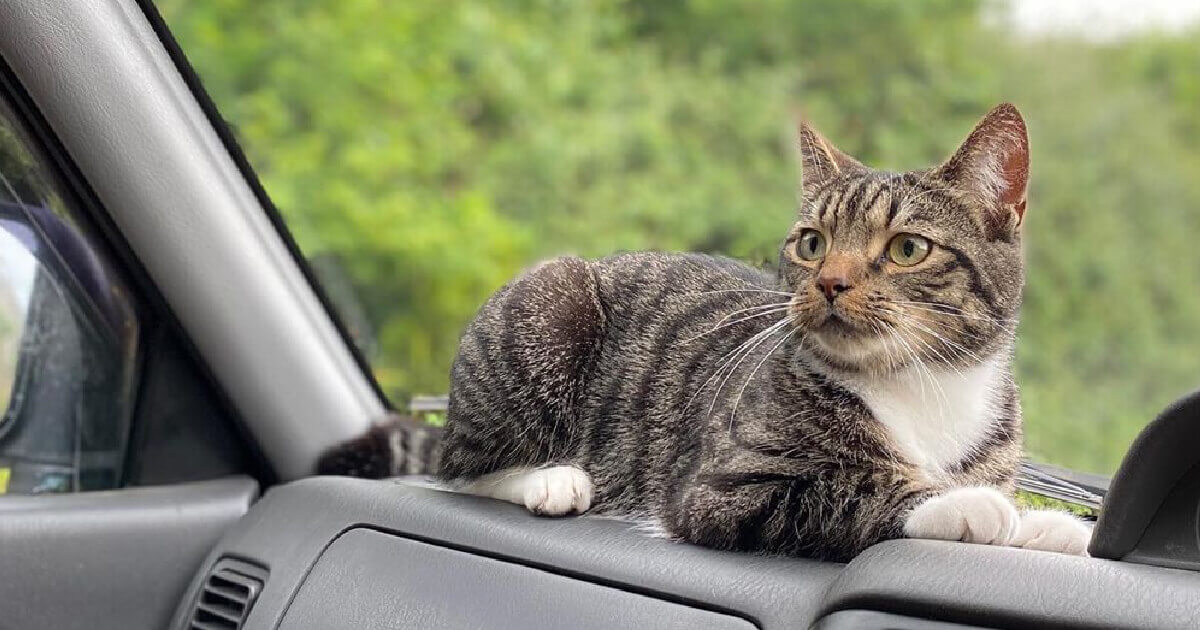
Cats require careful preparation before traveling by car. Road trips stress most felines, but planning ahead makes the journey safer and more comfortable for both cat and owner.
Start by acclimating your cat to the vehicle weeks before departure. Take short drives around the block, gradually increasing duration. This reduces anxiety during longer trips.
Use a secure cat carrier during travel. Never allow your cat to roam loose in the car, as distracted driving becomes a safety hazard and your cat faces injury risk during sudden stops or accidents. Choose a well-ventilated carrier positioned away from direct sunlight.
Pack essentials for your cat's comfort. Bring enough food and water for the entire trip, plus extra. Pack a portable litter box and litter. Include your cat's favorite toys, bedding, or blankets to provide familiar scents that calm anxious cats. Bring any medications your cat takes regularly.
Maintain your cat's routine as much as possible. Feed and water your cat at normal times. Offer litter box access at regular intervals during stops. Never leave your cat unattended in a parked car, even with windows cracked.
Check with your veterinarian before traveling. Discuss your route, duration, and destination. Ask whether your cat needs calming supplements or anti-anxiety medication for the journey. Ensure vaccinations are current, particularly if crossing state lines or visiting unfamiliar areas where diseases may be present.
Bring identification documents. Pack your cat's microchip registration information, vaccination records, and a recent photo. Include contact information for your veterinarian and research emergency vet clinics at your destination.
Update your cat's ID collar with your cell phone number. Microchipping provides backup identification if your cat escapes.
Weather matters. Avoid traveling during extreme heat or cold. Never leave your cat in a hot car, as temperatures spike danger