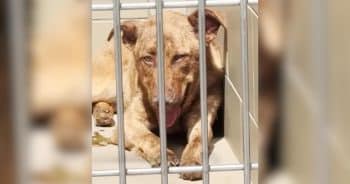
A dog arrived at a shelter in severe distress, vomiting blood and showing signs of serious illness. Shelter staff immediately recognized the emergency and rushed the animal to veterinary care. Medical evaluation revealed the dog had suffered internal injuries and bleeding that required urgent treatment.
The dog's condition stabilized after veterinary intervention and supportive care. As the animal recovered over the following weeks, shelter staff worked to identify the owner. Their search proved successful when they located the dog's original family.
The reunion proved emotional. When the recovered dog saw his father again, the animal ran directly into his arms. The moment captured the bond between owner and pet after the dog's traumatic experience and recovery.
This story highlights two realities for shelter animals. First, many dogs arrive at facilities with untreated medical emergencies that require immediate professional intervention. Second, shelters serve a reunification function for lost or surrendered animals whose families still seek them.
For pet owners, this case underscores the importance of microchipping. Microchips provide permanent identification that survives collar or tag loss. Shelters and veterinarians use microchip scanners during intake to reunite animals with owners quickly.
The story also reminds owners to recognize emergency symptoms in dogs. Vomiting blood signals serious internal problems requiring immediate veterinary attention. Other warning signs include lethargy, loss of appetite, difficulty breathing, or visible bleeding.
Shelters depend on resources to handle medical emergencies. Staff training in recognizing health crises and partnerships with local veterinarians enable life-saving responses. Many shelters operate on limited budgets that strain under unexpected medical cases.
This dog's recovery and reunion demonstrates what becomes possible when shelters have support and resources to treat sick animals. The happy ending serves as a reminder that lost or abandoned pets can recover and reunite with their families through proper medical care and identification systems.
THE