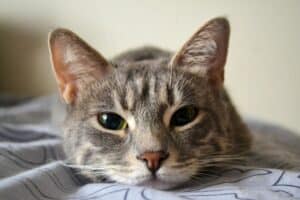
Cat noses need protection too. Dry, cracked, or irritated nasal tissue can cause discomfort in cats, especially during winter months or in low-humidity environments. Nose balms formulated for cats offer a safe way to soothe and moisturize this sensitive area.
The best cat nose balms use natural ingredients that won't harm your cat if ingested during grooming. Look for products containing beeswax, shea butter, coconut oil, and vitamin E. These ingredients create a protective barrier while delivering hydration to delicate nose tissue.
Pet owners should choose balms specifically formulated for cats rather than human products. Cat skin has different pH levels than human skin, and some human ingredients can irritate feline noses or cause toxicity if licked off and swallowed.
Application takes seconds. Most cat nose balms come in small containers or tubes. Gently apply a tiny amount directly to your cat's nose using your fingertip. Your cat may lick it off initially, which is normal and safe with properly formulated products.
Several brands lead the market for feline nasal care. Products like Paw Soother, Burt's Bees for Cats Nose and Paw Balm, and other veterinary-approved options deliver results without harsh chemicals. These balms typically cost between five and fifteen dollars per container.
Watch for signs your cat's nose needs attention. Excessive dryness, bleeding, or persistent cracking warrants a veterinary visit. While nose balms address minor irritation, underlying conditions like autoimmune disease or infections require professional diagnosis.
Seasonal use works well for many cats. Winter heating systems and dry climates stress nasal tissue, making balms particularly helpful during colder months. Regular application prevents problems before they develop.
Store nose balms in cool, dry places.