# Superfoods for Senior Dogs: What Vets Recommend
Senior dogs need different nutrition than younger adults. Several whole foods pack the nutrients that support aging canines and help slow cognitive decline, joint deterioration, and muscle loss.
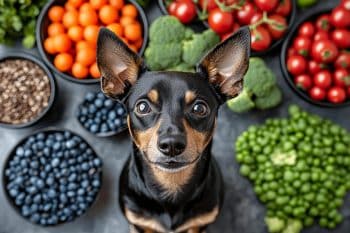
Blueberries rank at the top of the list. These berries contain anthocyanins, powerful antioxidants that protect brain cells and may improve memory in aging dogs. Studies show senior dogs fed blueberry supplements performed better on cognitive tests.
Salmon delivers omega-3 fatty acids that reduce inflammation in aging joints and support brain health. The protein content helps preserve muscle mass, a common concern for senior dogs that tend to lose strength.
Sweet potatoes provide beta-carotene and fiber. They support digestive health and offer sustained energy without spiking blood sugar, important for older dogs at higher risk for diabetes.
Eggs contain choline, essential for brain function in senior dogs. The complete protein supports muscle maintenance during the natural decline that comes with age.
Pumpkin aids digestion and provides fiber, helping senior dogs manage constipation and maintain healthy weight as their metabolism slows.
Lean beef and chicken supply high-quality protein necessary for muscle preservation. Senior dogs require more protein than younger adults to counteract age-related muscle breakdown.
Carrots offer low-calorie crunch and vitamin A for eye health, particularly valuable since vision often declines in older dogs.
Green beans provide nutrients with minimal calories, helping senior dogs maintain healthy weight without excess food volume.
Bone broth supplies collagen and gelatin for joint support. The warm liquid also encourages hydration in senior dogs that drink less water.
Apples give fiber and natural sweetness while promoting dental health through chewing action.
Before introducing new foods, consult your veterinarian. Some senior dogs have specific dietary restrictions or health conditions that