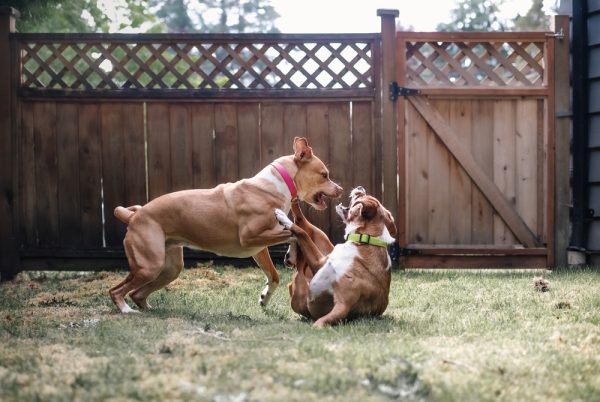
Dogs engage in rough play for several normal reasons. Puppies and young dogs use physical interaction to establish social bonds, test boundaries, and burn energy. Adult dogs continue this behavior as a form of exercise and social engagement. The intensity often escalates during play sessions, which owners sometimes mistake for aggression.
Owners can manage rough play through straightforward interventions. Frequent breaks during play sessions prevent overstimulation and allow dogs to reset their energy levels. Redirecting dogs toward toys instead of hands teaches them appropriate outlets for their play drive. Consistent training reinforces what behaviors owners permit and which ones require correction.
Environment matters significantly. Adequate exercise throughout the day reduces pent-up energy that fuels excessive roughhousing. Providing appropriate toys gives dogs constructive channels for their natural instincts. Socialization with other dogs teaches them canine communication and bite inhibition.
Watch for signs that play has become problematic. If a dog ignores calming signals from other dogs, continues after being told to stop, or causes injury, intervention becomes necessary. These behaviors warrant professional guidance from a certified trainer or veterinarian.
Early intervention prevents rough play from developing into genuine aggression issues. Dogs respond well to clear boundaries and consistent reinforcement. Most rough play resolves quickly once owners understand the underlying causes and apply appropriate management strategies.