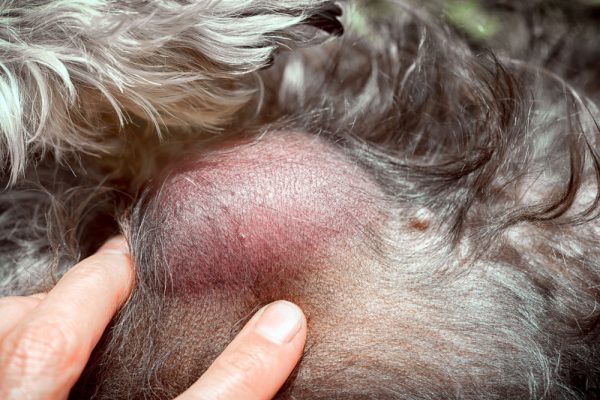
Dog owners frequently discover lumps and bumps on their pets' skin, triggering worry about cancer or other serious conditions. Many of these growths pose no health threat.
Veterinarians distinguish between benign and malignant tumors through physical examination and diagnostic testing. Common benign growths in dogs include lipomas (fatty tumors), cysts, and warts. These develop slowly and rarely cause problems unless they interfere with movement or become infected.
Malignant tumors require immediate attention and treatment. Dogs develop melanoma, mast cell tumors, and hemangiosarcoma at varying rates depending on breed, age, and genetics. Early detection improves survival rates significantly.
Pet owners should establish a baseline by palpating their dog's entire body monthly. Any new growth, rapid enlargement, bleeding, or odor warrants a veterinary visit. Your veterinarian may recommend fine-needle aspirate sampling or biopsy to identify the growth type.
Age plays a role in lump development. Senior dogs experience more growths than younger animals, though cancer develops across all age groups. Certain breeds predispose to specific tumors. Boxers, for example, develop mast cell tumors more frequently than other breeds.
Regular veterinary checkups catch abnormalities early. Discuss any changes you notice during your dog's annual or semi-annual exam. Prompt evaluation prevents minor issues from becoming serious problems.