# The Right Way to Train a Skittish Dog, Approved by Vets
Veterinarians endorse a specific approach for training anxious dogs. Force-free methods work best for dogs exhibiting fear or skittishness, experts confirm.
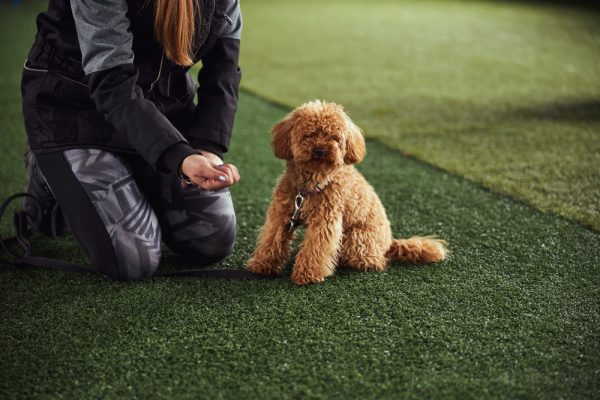
Positive reinforcement training builds confidence in nervous dogs. Trainers use high-value treats to reward calm behavior and create positive associations with previously scary stimuli. This approach contrasts sharply with outdated dominance-based methods that increase anxiety.
The process requires patience and gradual exposure. Owners introduce fearful dogs to triggering situations at a distance where the dog remains calm, then slowly decrease that distance over time. Veterinarians stress that punishment-based techniques backfire, intensifying fear responses and potentially creating aggressive behaviors.
Environmental management matters during training. Removing a skittish dog from stressful situations prevents reinforcement of anxious patterns. Short, consistent training sessions outperform lengthy ones that exhaust nervous dogs.
Professional trainers certified in fear-free or positive-reinforcement methods provide the best results. Owners should consult their veterinarian about whether underlying medical conditions contribute to skittishness before beginning behavioral work.
Recovery timelines vary. Some dogs show improvement within weeks. Others require months of consistent training. Celebrating small wins keeps both dog and owner motivated throughout the process.