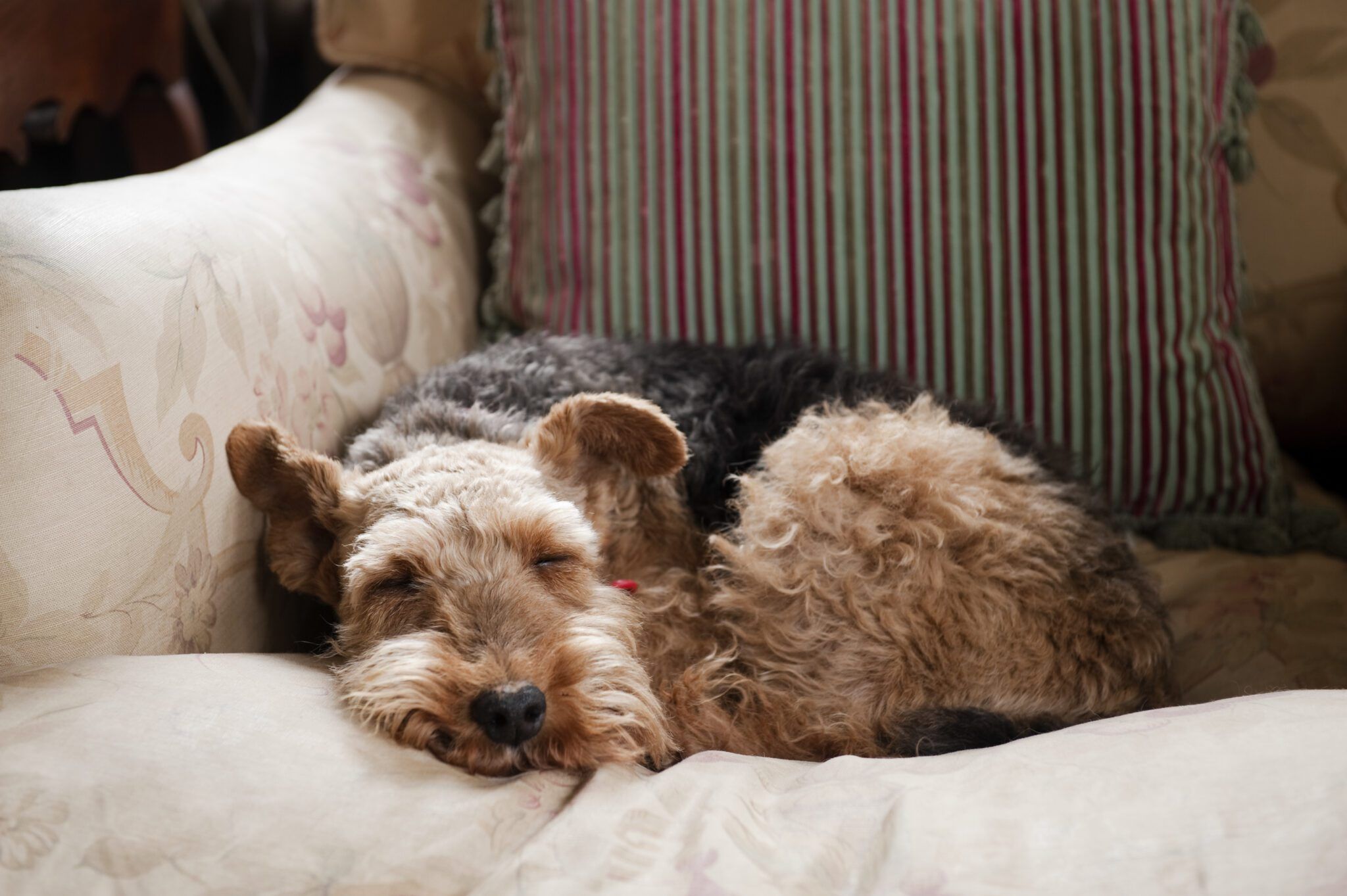
Dogs experience REM sleep much like humans do, entering a brain state characterized by rapid eye movements, intense neural activity, and vivid dreaming. Research now reveals striking similarities between canine and human sleep patterns, challenging the traditional boundaries we draw between our species.
During REM sleep, both dogs and people cycle through a critical phase that supports memory consolidation, emotional processing, and cognitive function. When your dog twitches, paddles their paws, or whimpers during sleep, they likely experience dreams comparable to human dreams. Scientists observe the same electrical patterns in canine brains during REM sleep as in human brains.
This discovery matters for pet owners because sleep quality directly affects dog health and behavior. Dogs deprived of adequate REM sleep show increased anxiety, poor learning retention, and behavioral issues. Puppies and senior dogs require more sleep than adult dogs to support development and aging processes.
Understanding canine sleep architecture helps owners recognize normal sleep behavior versus signs of sleep disorders. Dogs need 12 to 14 hours of sleep daily, with multiple sleep cycles allowing them to accumulate sufficient REM time. Creating a quiet, comfortable sleeping space supports healthy sleep patterns and strengthens the physical and emotional bond between dogs and their humans.