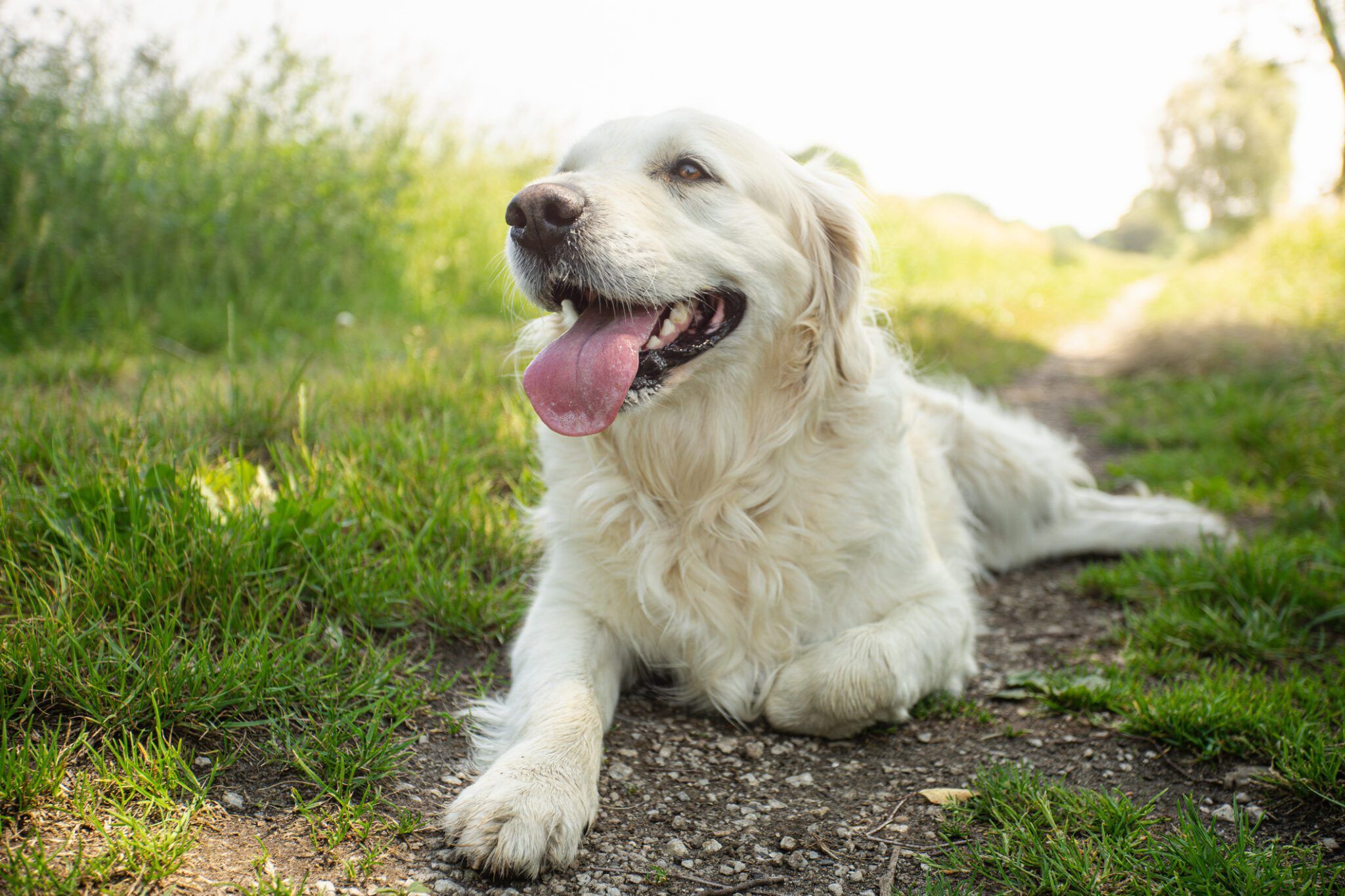
Heavy breathing in dogs takes several forms, with panting being the most common. Normal panting involves rapid, rhythmic breathing through an open mouth and typically reflects a relaxed state. Dogs pant after excitement, hard exercise, or anxiety. When anxiety triggers panting, owners may notice a stiffer posture than usual.
Recognizing the difference between normal and abnormal heavy breathing helps pet owners respond appropriately. Context matters. A dog panting after a run or play session signals normal thermoregulation. A dog panting during a thunderstorm or at the vet's office likely experiences stress. Body language provides clues. Stiff posture combined with panting suggests anxiety rather than simple exertion.
Understanding your dog's individual baseline matters. Some breeds naturally breathe more heavily than others. Flat-faced dogs like Bulldogs and Pugs struggle more with breathing regulation. Age plays a role too. Senior dogs may pant more frequently as their bodies work harder to maintain temperature.
When heavy breathing warrants a vet visit remains important knowledge. Persistent panting without obvious triggers, panting accompanied by lethargy or other symptoms, or sudden changes in breathing patterns all deserve professional evaluation. Your veterinarian can rule out underlying health conditions and provide peace of mind.