# Summary
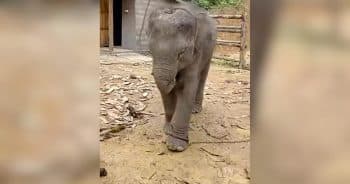
A young elephant held in chains has begun its journey to liberation. Rescue organizations worked to remove the animal from captivity and transport it to a sanctuary where it can recover and develop naturally.
The elephant spent months tethered, unable to move freely or engage in normal behavioral patterns. This confinement caused both physical and psychological harm. Once relocated, veterinarians assessed the elephant's health and created a rehabilitation plan tailored to its specific needs.
The sanctuary environment allows the elephant to interact with other elephants, forage naturally, and rebuild strength. Caretakers report steady progress as the animal adjusts to life without chains. Each day brings observable improvements in mobility and social engagement.
This rescue represents a larger effort to combat elephant captivity. Wildlife advocates continue pushing for stronger protections against chaining practices. The elephant's recovery demonstrates that dedicated intervention can reverse trauma.
Organizations involved in the rescue emphasize that young elephants require extended family structures and natural movement to develop properly. The confined conditions this elephant experienced violated these fundamental needs. Its relocation underscores why sanctuaries provide essential alternatives to captive settings.
The elephant's story offers hope that rescued animals can thrive with proper care.