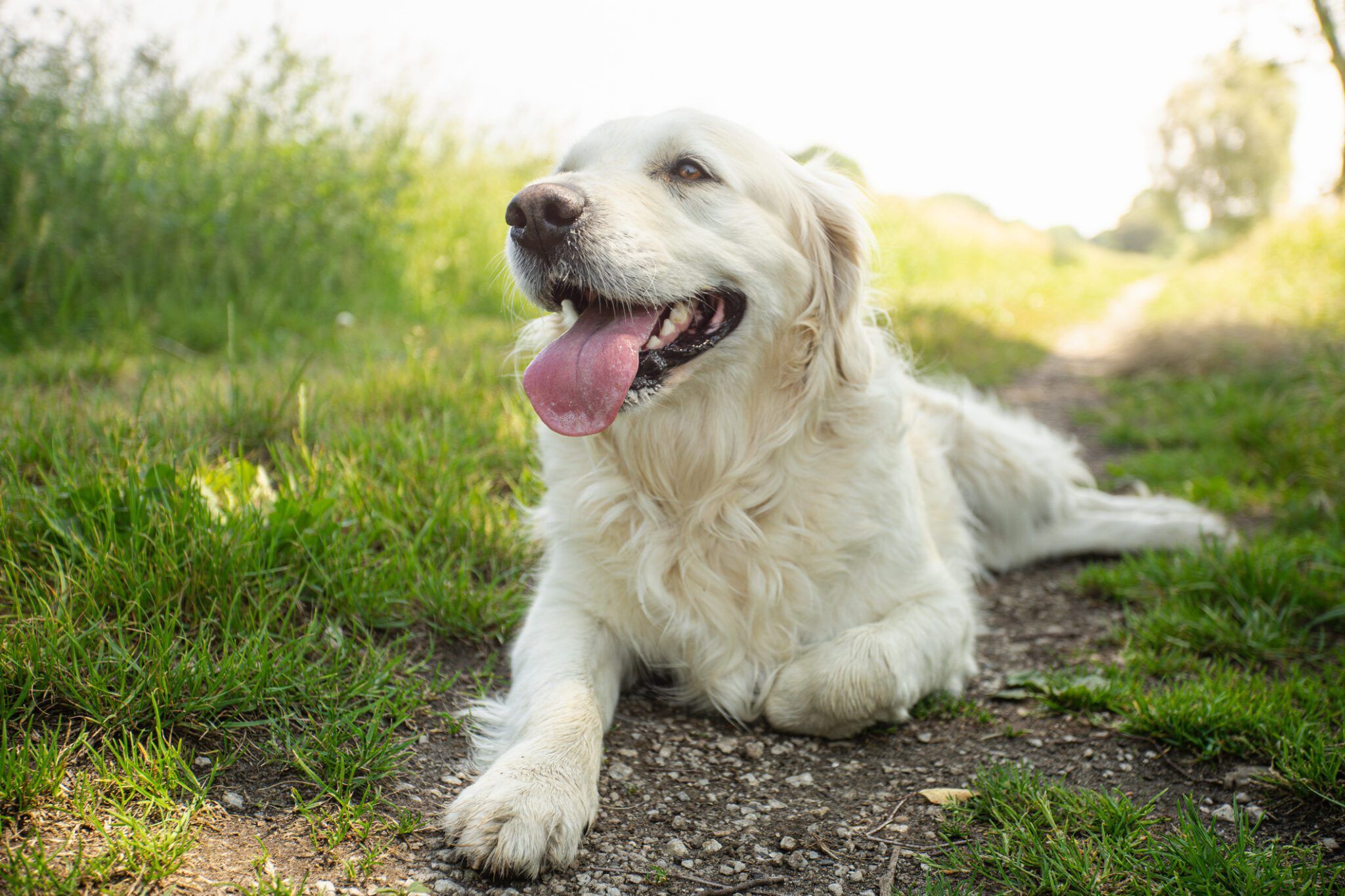
Heavy breathing in dogs takes several forms, and panting represents the most common type. Panting involves rapid, rhythmic breathing through an open mouth paired with a relaxed body posture. Dogs pant after excitement, vigorous exercise, or in response to anxiety. When anxiety triggers the panting, owners often notice their dog's posture becomes slightly stiff, signaling stress rather than simple physical exertion.
Understanding what causes your dog's heavy breathing helps distinguish normal responses from potential health concerns. Exercise-induced panting stops once your dog rests and cools down. Anxiety-related panting persists even without physical activity and appears alongside tension in the body. Temperature regulation drives much of a dog's panting behavior, since dogs lack functional sweat glands and rely on rapid breathing to cool themselves.
Pet owners should monitor panting duration and intensity. Occasional panting after play or in warm weather poses no concern. Persistent heavy breathing without an obvious trigger warrants a veterinary visit, as it can indicate pain, illness, or respiratory issues that require professional evaluation.