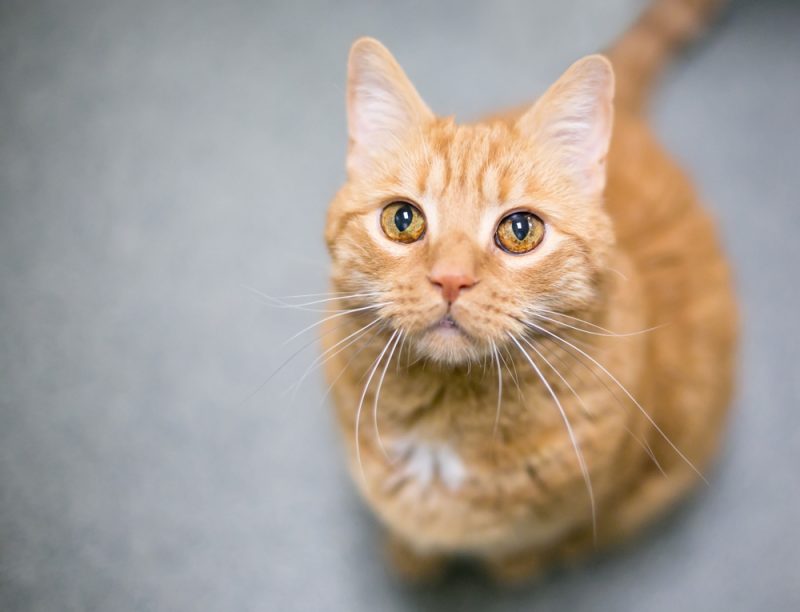
Orange tabby cats possess unique traits beyond their striking coloring. The gene responsible for orange fur resides on the X chromosome, which explains why approximately 80 percent of orange tabbies are male. Female orange tabbies require two copies of the orange gene, making them rarer.
The orange coloring itself correlates with distinct personality patterns. Orange tabbies demonstrate higher levels of friendliness and sociability compared to cats with other coat colors. Veterinarians and behaviorists have documented that these cats tend toward greater affection with their owners and more vocal communication.
Orange tabby cats also show behavioral consistency across populations. They exhibit playful, outgoing temperaments that make them popular as family pets and therapy animals. Their genetic makeup influences not just appearance but also neurological development related to social behavior.
The tabby pattern, separate from the orange coloring, provides additional camouflage benefits inherited from wild ancestors. Stripes and swirls break up a cat's silhouette in natural settings. This pattern combines with the orange gene to create cats that are both visually distinctive and behaviorally engaging.
Understanding the genetics and behavior of orange tabbies helps owners anticipate their cats' needs. These animals thrive with interactive play and social engagement.