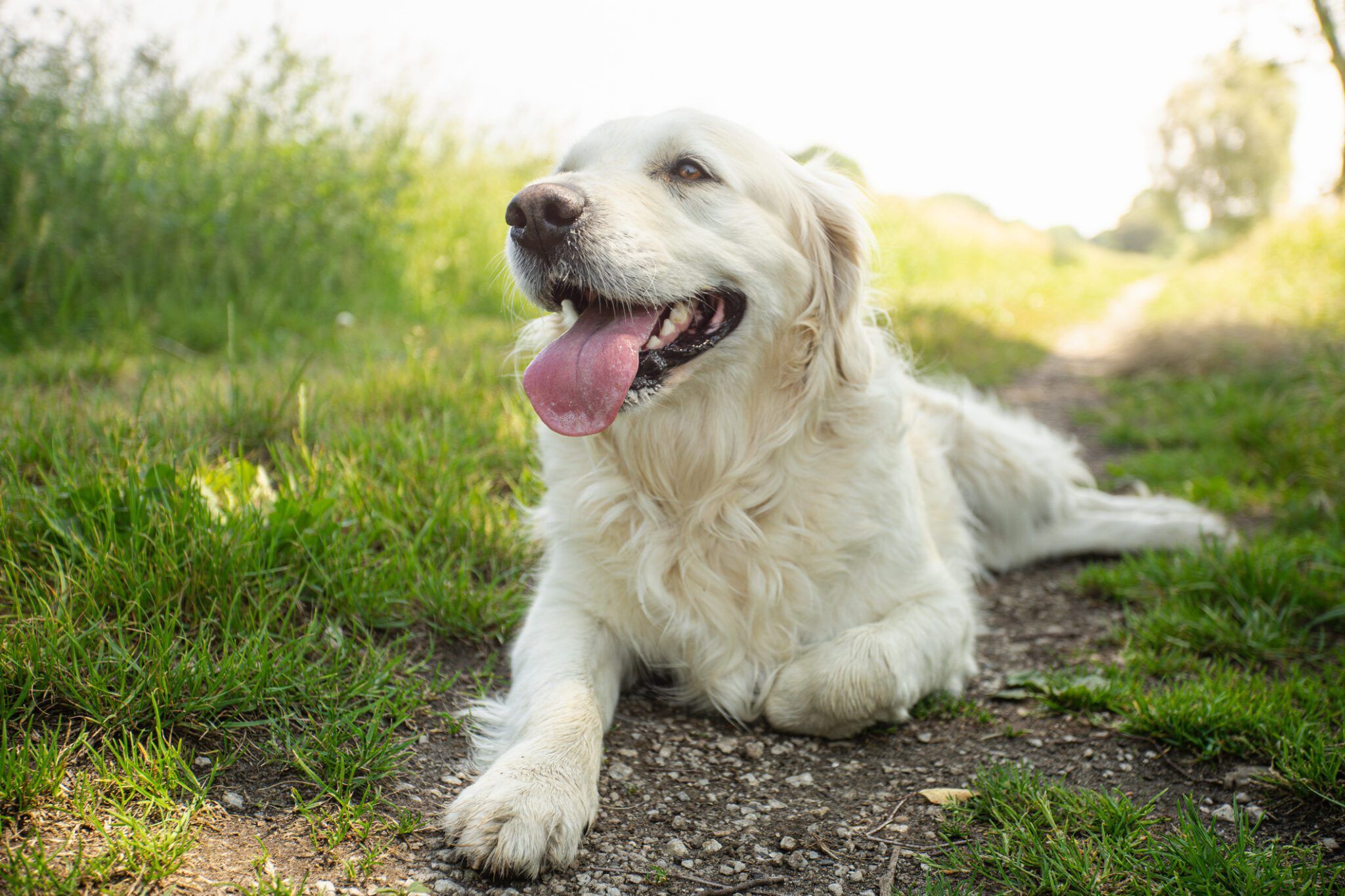
Heavy breathing in dogs takes several forms, with panting being the most common. Panting involves rapid, rhythmic breathing through an open mouth and typically reflects a relaxed state. Exercise, excitement, or anxiety trigger panting in healthy dogs.
When anxiety causes panting, owners notice subtle postural changes. Your dog's body may stiffen slightly, signaling stress rather than physical exertion. Understanding the difference between normal panting and problematic heavy breathing helps pet owners identify when veterinary care becomes necessary.
Dogs regulate body temperature through panting, making it a normal response to heat and activity. The key distinction lies in context. A dog panting after a run or in warm weather demonstrates healthy thermoregulation. A dog panting during rest or showing other symptoms like lethargy or loss of appetite requires veterinary evaluation.
Recognizing your individual dog's breathing patterns establishes a baseline for normal. Changes in breathing rate, rhythm, or effort warrant professional assessment. Your veterinarian can rule out underlying health conditions ranging from heart disease to respiratory infections.
Monitoring breathing helps catch problems early. Report any heavy breathing accompanied by weakness, coughing, or behavioral changes to your vet promptly.